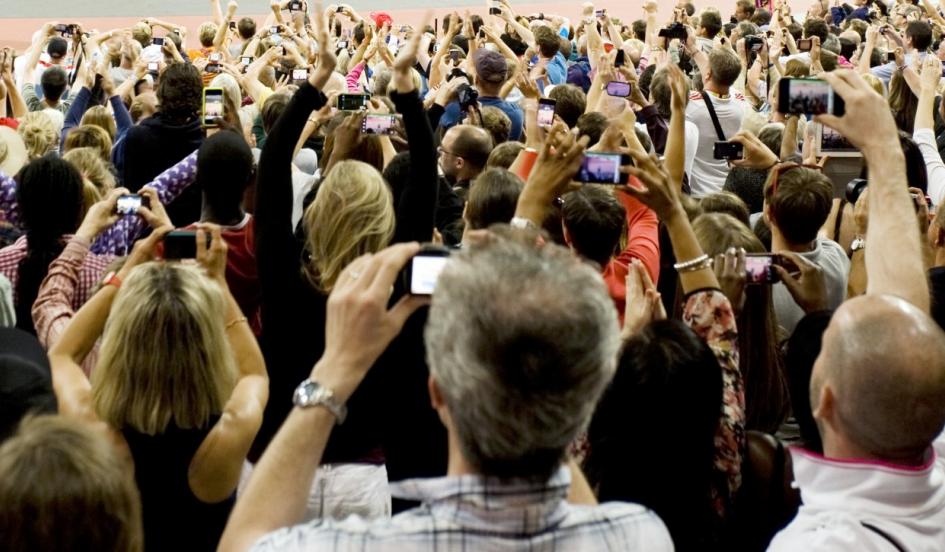
Stranger with a Camera a documentary by filmmaker Elizabeth Barret, function as a social documentary in multiple ways. In the past decade, mobile media technology has evolved, social media has become widespread, and new types of media are being encountered every day. This has led to the evolution of new ways to interact with documentary and media presence. That said,According to Angela Aguayo a documentary generates “the potential for participatory media cultures to develop” (61). Documentary can be used to develop one’s opinion on a topic and is greatly influenced by the film’s development. To break generalizations about the small town of Jeremiah, Kentucky, she felt a sense of responsibility to accurately portray it and to personally present each individual involved. This was so as to break the generalizations. In her role as a filmmaker, Barrret knows that it is her responsibility not to exploit her subjects, who are also her community members. Instead, she must justify the truth in all its forms. The way that Elizabeth Barret describes Jeremiah and he talks about how she was offended by the video and pictures that were displayed of her community displays her own feelings toward the media’s attention. Aguayo discusses her idea of toxic tourism and how without the attention brought to a subject in this case the town of Jermiah, Kentucky had people believe what the media was presenting to be the truth. While Canella proves that Barrett’s take on her town degrades the media through her emotions. This is because the media has “focus on the technologies themselves with little critical consideration for the socioeconomic and political contexts these practices exist within” (25). With cameras easily accessible stories can be twisted and cut to be perceived in a certain way. Ultimately, the implementation of handheld cameras has changed documentary work and gives everyone the ability to produce content of their own.