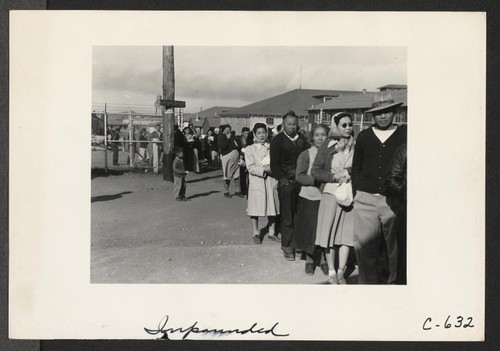
Lange utilizes her forms of photography to not only expose the living conditions of Americans during the Great Depression but create awareness of different parts of the country. Through her photography, she traveled coast to coast and captured her perspective. By “making fine pictures of a very wonderful subject” she means to draw attention to details of things that can be overlooked if not paid attention to (Lange). A picture can be interpreted in a multitude of ways. Lange describes how she gets “lost” in the moment when taking photos in order to take in the whole situation. The location of Langue is not defined in this case, as it is more dynamic and shows the unhealthy conditions people were experiencing throughout thetes. In Dorothea Lange’s work of photography, the viewer is given a chance to put themselves in someone else’s shoes in order to understand what they are experiencing. She immersed herself in her work to make her picture as real as possible and to expose the injustices she witnesses. Lange’s location helps her understand that these people are more than the conditions they live in. Lange captured the calamitous scenes of the Great Depression to show the horrors our nation was suffering at the time. Her unique interpretation of experiences with the people she photographs also contributes to her own, distinctive narrative and location. This also makes defining her location difficult, as she also adapts her work to her surroundings and is so diverse in her work. In Lange’s words, “a camera is a tool for learning how to see,” which means a photograph can change a person’s perspective on life even if a person is not physically present (Lange). The details tell a story about experiences you’ve had that shape who you are.